
Introduction to Mike Wolfe and His Passion Project
Mike Wolfe is a renowned television personality, recognized primarily for his role on the popular series American Pickers. With a deep-seated enthusiasm for collecting and preserving American antiques, Wolfe has cultivated a unique perspective on the cultural and historical significance of small-town America. His background as a picker has not only allowed him to explore the forgotten treasures of rural communities but has also galvanized his commitment to revitalizing these areas. Wolfe’s passion project is intrinsically linked to this mission of restoration and preservation.
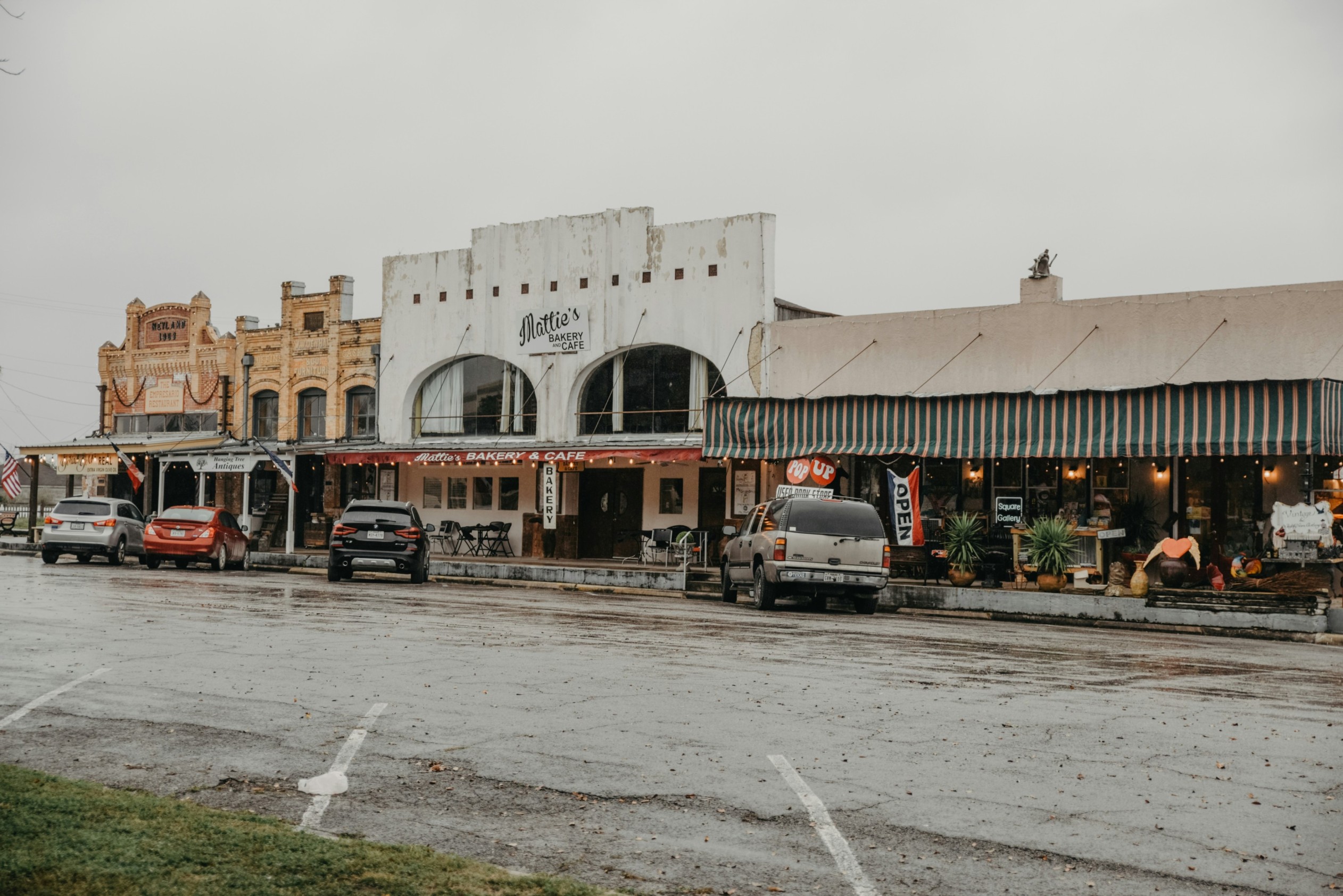
The Mike Wolfe passion project embodies his belief that small towns are not just geographic locations but are repositories of rich histories and local narratives waiting to be shared with the world. By focusing on the tangible aspects of Americana, such as antique stores and unique mom-and-pop businesses, Wolfe seeks to inspire a renewed appreciation for the values and stories these towns represent. His work involves collaborating with local entrepreneurs and communities to revive small towns, helping them to thrive economically by bringing attention to their distinct character and charm.
The significance of this passion project cannot be overstated. As rural communities face challenges such as economic decline and population loss, projects like Wolfe’s pave the way for potential revitalization. By highlighting the beauty and uniqueness of small-town America, he fosters a sense of pride among residents and a desire to attract visitors, thus stimulating local economies. This commitment to preserving the past while encouraging sustainable growth speaks to the larger vision of community revitalization. In essence, Mike Wolfe’s passion project serves not only as a beacon for historical appreciation but also as a catalyst for holistic community development.
The Importance of Small Towns in America
Small towns in America hold a unique place in the nation’s cultural, historical, and economic landscape. These communities often serve as the heart of American life, reflecting rich traditions, local histories, and the day-to-day experiences of their residents. The importance of small towns cannot be overstated, as they contribute significantly to the diversity and character of the nation.
Culturally, small towns preserve traditions and values that might be lost in larger urban areas. Events such as local festivals, farmer’s markets, and historical reenactments serve to strengthen community bonds while attracting visitors from near and far. Through projects like those led by Mike Wolfe, the mission to document and revitalize these communities helps foster an appreciation for their unique stories and ways of life. By restoring forgotten relics and promoting local attractions, these efforts not only celebrate history but also encourage a renewed interest in the quaint charm of small towns.
Economically, small towns play a crucial role in providing goods and services to surrounding rural areas as well as serving as small business incubators. Independent shops, local restaurants, and artisan markets contribute to job creation and foster a sense of entrepreneurship within these communities. Data shows that small towns frequently have lower unemployment rates compared to larger metropolitan regions, underscoring their resilience. Passions for local business initiatives stimulate economic growth, making the support for small towns all the more critical.
Furthermore, small towns embody a significant aspect of American history. They often serve as the backdrop for pivotal moments and trends that have influenced the nation as a whole. Preserving these towns maintains a living connection to the past, reinforcing identities and narratives that shape who we are today.
Mike Wolfe’s Approach to Restoration
Mike Wolfe, renowned for his contributions to the revival of small-town America, has adopted a distinctive approach to restoration that emphasizes sustainability, community involvement, and historical accuracy. His passion project, focused on revitalizing dilapidated buildings, showcases a commitment not only to aesthetics but also to preserving the rich heritage of these spaces.
One of the fundamental principles guiding Wolfe’s restoration efforts is the sustainable practice of utilizing local materials and artisans. By sourcing materials from nearby locations, Wolfe reduces the carbon footprint associated with transportation while simultaneously supporting local economies. This approach not only enhances authenticity but also ensures that restorations are in harmony with the surrounding environment. Furthermore, Wolfe’s projects often prioritize the use of reclaimed or repurposed materials, reinforcing the importance of sustainability in architectural restoration.
Community involvement is another cornerstone of Wolfe’s methodology. He actively encourages local residents to participate in the restoration process, promoting a sense of ownership and pride in the revitalized spaces. By engaging the community, Wolfe not only garners support for his passion project but also fosters connections among residents, which is critical for the longevity of the restoration efforts. Collaborative workshops and events provide opportunities for individuals to learn about preservation techniques, allowing them to contribute meaningfully to the work being done.
The adherence to historical accuracy is perhaps the most vital aspect of Wolfe’s restoration work. He invests significant time in researching the history of the buildings and their original architectural designs. This dedication ensures that renovations reflect the true character of the structures, allowing them to retain their historical significance. Wolfe’s strategy illustrates a deep respect for the stories embedded in old buildings, a principle that resonates throughout his various projects across America.
Case Study: Le Claire, Iowa
Mike Wolfe, renowned for his commitment to preserving history and culture, has made significant strides in revitalizing Le Claire, Iowa, through various focused initiatives encapsulating his passion for restoration. His efforts have not only enhanced the aesthetic landscape of this small town but have also fostered a renewed economic vigor.
One of the most notable projects undertaken by Wolfe is the restoration of historic buildings, particularly the old Le Claire Hotel. This establishment, which dates back to the late 1800s, had fallen into disuse and disrepair. Recognizing its potential, Wolfe engaged in meticulous renovations to preserve its architectural integrity while revitalizing its role as a community hub. The restoration included updating the interior with modern amenities while maintaining historical details, making it a blend of old-world charm and contemporary comfort.
Wolfe’s passion project in Le Claire also extends to the refurbishment of local storefronts, many of which are situated along the picturesque Mississippi Riverfront. Through collaborations with local artisans and historians, these restorations not only pay homage to the town’s storied past but also encourage local entrepreneurship. The revitalized buildings house a variety of small businesses, from antique shops to cafes, inviting both residents and tourists to explore the town’s diverse offerings.
Moreover, Wolfe’s initiatives have garnered significant media attention, inspiring similar projects in neighboring towns. The positive impact on Le Claire is evident, with increased foot traffic and a measurable uptick in tourism, further solidifying the notion that small-town revival is achievable through dedicated passion projects. The transformation initiated by Mike Wolfe serves as a compelling example of how thoughtful restoration can breathe new life into small-town America.
Case Study: Columbia, Tennessee
Columbia, Tennessee, serves as a compelling case study exemplifying how restoration initiatives can revitalize small-town America. Spearheaded by Mike Wolfe, known for his keen focus on preserving Americana, the city has undergone significant transformations that go beyond mere aesthetics, fostering a sense of community pride and economic growth. One noteworthy project was the rehabilitation of the iconic Zephyr Theater. Once a neglected structure, the theater has been restored to its former glory, now serving as a vibrant focal point for local events and cultural gatherings.
In addition to the Zephyr Theater, Wolfe’s initiatives have also included the overhaul of several historic buildings along the main street. These restorations were not only aimed at preserving architectural heritage but also at providing spaces for local businesses. The revitalization of these structures has attracted artisans and entrepreneurs, leading to new shops, cafes, and galleries that contribute to the town’s economic diversification. The synergy between restored spaces and the emerging local economy highlights the broader impact of Wolfe’s passion project in Columbia.
The community response to these initiatives has been overwhelmingly positive. Residents have expressed renewed enthusiasm for their city, as the restored landmarks have become sources of identity and pride. Events showcasing local artists and craftsmen are now frequent occurrences, drawing visitors from surrounding areas and enhancing the local tourism sector. The transformation of Columbia, led by Mike Wolfe’s passion for preservation, showcases how targeted restoration efforts can facilitate broader socio-economic improvements in small towns.
Functional Spaces: The Transformative Impact of Restoration
The restoration of historic properties into functional spaces such as cafes, shops, and community centers significantly revitalizes small-town economies. Mike Wolfe’s passion project exemplifies how transforming neglected buildings into vibrant commercial areas encourages economic development while preserving the local heritage. Small towns have an abundance of historical architecture that, when restored, not only beautifies the community but also creates a sense of pride among residents.
The economic impact is primarily felt in the influx of visitors attracted to these revitalized areas. Local business owner Sarah Henderson explains, “Since the old bank was turned into a bakery, our foot traffic has doubled. More people are coming to our town, not just to grab a coffee, but to explore other shops as well.” This increase in local commerce fosters a supportive environment for entrepreneurs and stimulates job creation, which is vital for small-town survival.
Moreover, community spaces like cafes and shops serve as social hubs, promoting interaction among residents. John Carter, a longtime resident, expresses his appreciation: “The new coffee shop has become a gathering spot for us old-timers. We talk about the past, but we’re also excited about what’s happening now. It’s great to see our town evolving while honoring its roots.” When the community actively engages in using these restored spaces, it strengthens social ties and reinforces the local identity.
Furthermore, the initiative not only affects economic growth but also instills a sense of hope and possibility within the community. The transformation of these historic properties into functional spaces enables small towns to leverage their unique histories in a modern context. Ultimately, Mike Wolfe’s passion project is a powerful example of how thoughtful restoration can contribute to the vibrancy and sustainability of small-town America, fostering a brighter future for all its residents.
Nashville’s Big Back Yard Initiative
In recent years, Mike Wolfe has embarked on an ambitious initiative known as Nashville’s Big Back Yard, aimed at revitalizing small towns in America. This project seeks to promote tourism while simultaneously encouraging individuals and families to consider relocating to these often-overlooked communities. The initiative is not merely about showcasing southern gems; it extends a heartfelt invitation for audiences to explore and embrace the rich culture, history, and opportunities that small towns have to offer.
One of the primary goals of Nashville’s Big Back Yard is to highlight the unique characteristics that distinguish small towns from urban centers. These communities often boast charming landscapes, welcoming atmospheres, and tight-knit social networks that present a stark contrast to the hustle and bustle of city life. By fostering a sense of pride among residents, Wolfe hopes that locals will advocate for their towns while attracting visitors intrigued by hidden locales.
The expected impact of this initiative on small-town communities is significant. By promoting tourism, Nashville’s Big Back Yard endeavors to stimulate local economies, paving the way for increased business opportunities and job creation. As more tourists visit, small boutiques, restaurants, and artisan shops can thrive, contributing to the overall community spirit. Additionally, the idea of relocating to a small town can appeal to those seeking a slower pace of life, thus fostering growth in these areas.
Moreover, Nashville’s Big Back Yard serves as a model demonstrating how targeted efforts can leverage available resources to spark interest in small-town living. Through strategic promotion, it encourages a broader understanding of what makes these towns special while addressing common misconceptions about rural areas. The initiative stands as a testament to Mike Wolfe’s passion project, showcasing his dedication to reviving small-town America.
Mike Wolfe, well known for his role in the television series American Pickers, extends his passion project of revitalizing small-town America through the active engagement of local community members. His approach emphasizes the significance of collaboration with residents, as their intimate knowledge of the area and its history plays a crucial role in the preservation and promotion of heritage. By fostering relationships within these communities, Wolfe not only promotes local culture but also encourages a spirit of connection among its residents.
Instances of collaboration between Wolfe and local community members illustrate the positive impact of his passion project. In various towns across America, he has initiated partnerships with local artisans, business owners, and historians who share his enthusiasm for preserving the unique artifacts and stories of their communities. For example, during visits to rural towns, Wolfe often participates in local events, such as fairs or exhibitions, which brings attention to the rich histories embedded within these places. These events serve as a platform for residents to showcase their crafts and traditions, thereby fostering a sense of pride and ownership among community members.
The importance of local interest cannot be overstated in the success of Wolfe’s projects. Residents who are motivated not only contribute to the work of his passion project but also become advocates for sustaining the local heritage that defines their identity. Through cooperative efforts and shared expertise, communities benefit from increased visibility and tourism, resulting in economic revitalization. Local residents often express their support for Wolfe’s endeavors, acknowledging how his projects highlight their unique histories and stimulate local pride.
In essence, community engagement is at the heart of Mike Wolfe’s passion project, demonstrating that the revival of small-town America relies on the collective efforts of both individuals and communities dedicated to preserving their cultural heritage.
Conclusion: The Future of Small-Town Restoration
Mike Wolfe’s passion project showcases a significant long-term vision for the revitalization of small towns across America. Through dedication and creative energy, Wolfe has not only highlighted the beauty and history embedded in these communities but also ignited a movement focused on their restoration and economic rejuvenation. The success of his initiatives reflects a growing awareness of the importance of preserving local heritage while fostering sustainable development.
The potential future of small towns hinges on the proactive measures inspired by Wolfe’s efforts. By showcasing the unique stories and treasures within these locales, he encourages others to appreciate their hometowns. Individuals and organizations are encouraged to engage in similar restorative efforts, converting neglected areas into vibrant community hubs. This not only preserves local cultures but can also stimulate local economies through tourism and small business development.
Moreover, Mike Wolfe’s passion project serves as a model for collaboration among citizens, local governments, and businesses. It emphasizes the significance of working together to create strategies that address the distinct challenges faced by small towns, including population decline and economic stagnation. As more people recognize the potential for revitalization, we are likely to see increased community involvement, funding, and innovative programs designed to reinvigorate these areas.
Ultimately, efforts influenced by Wolfe’s vision could lead to a renaissance of small-town America, fostering pride among residents and attracting visitors interested in history, culture, and unique local experiences. The collective aim is not merely restoration but transformation—turning small towns into flourishing spaces that retain their character while adapting to the modern age. Through this lens, the future looks promising for communities willing to embrace their roots while striving for progress.