
Introduction to Plastic Processing
The plastic processing industry plays a pivotal role in modern manufacturing, supplying essential materials that are utilized in a variety of applications. From consumer goods to automotive components, processed plastics are integral to countless products we encounter in our daily lives. This industry encompasses several processes, including injection molding, blow molding, extrusion, and thermoforming, which transform raw plastic materials into usable forms.
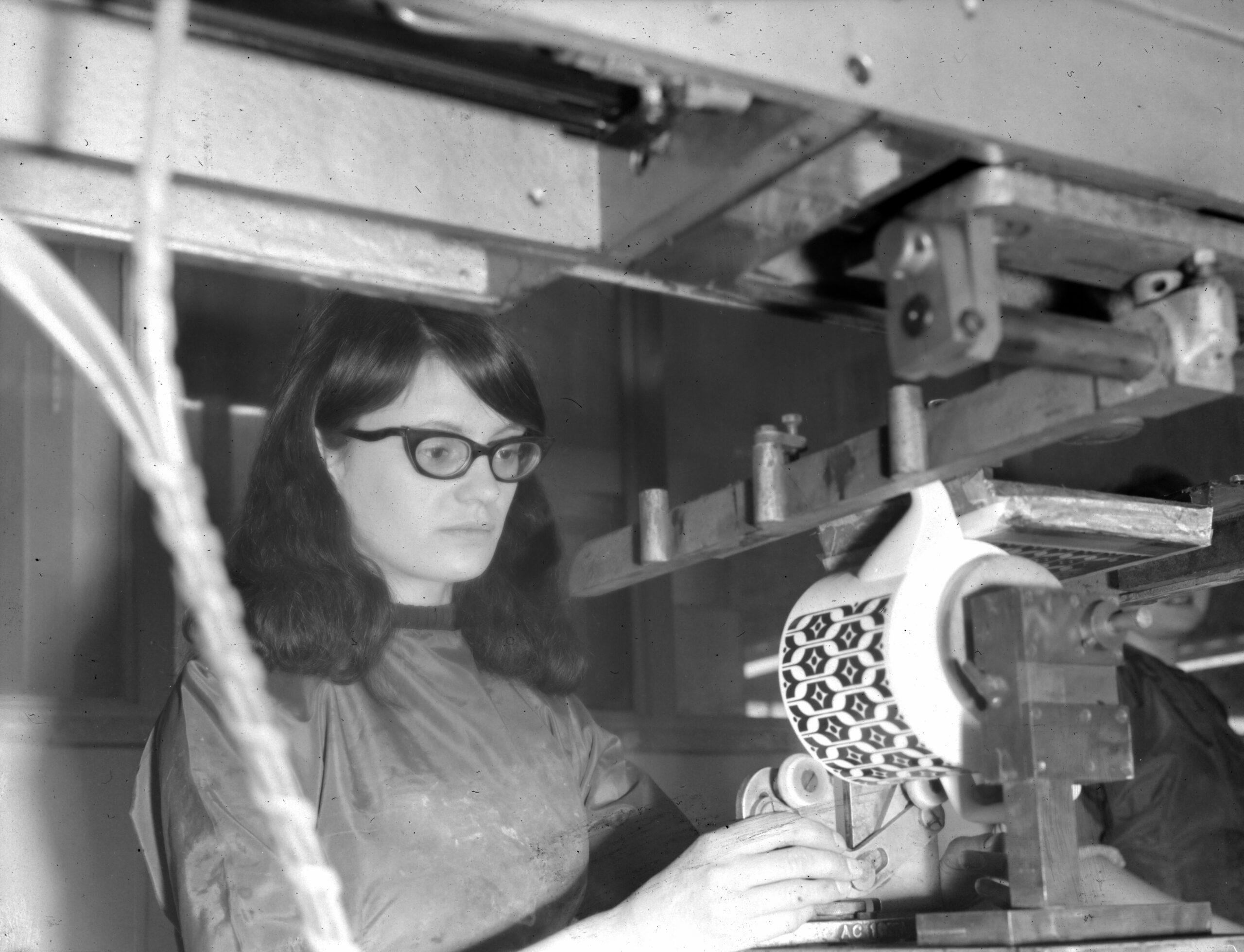
A plastic processing operator is central to these manufacturing processes. This professional is responsible for operating and maintaining machinery that shapes and assembles plastic products. Their expertise ensures that the material is processed efficiently and according to specific quality standards, which is critical in meeting both consumer and regulatory requirements.
The significance of plastic processing can be seen in various sectors such as healthcare, packaging, and electronics. For instance, plastic materials are widely used in making medical devices, protective equipment, and packaging solutions that keep products safe and sterile. In addition, the automotive industry relies heavily on plastics for manufacturing lightweight yet durable components, contributing to fuel efficiency and safety.
As the demand for plastic products continues to grow, the role of the plastic processing operator becomes increasingly vital. These operators not only handle complex machinery but also ensure that production processes are streamlined and effective. Their knowledge of material properties, machinery functionality, and quality control is essential for producing high-quality plastic products that serve the needs of various industries.
Key Responsibilities of a Plastic Processing Operator
The role of a plastic processing operator is pivotal within the manufacturing sector, focusing on the production of various plastic products. The primary responsibilities revolve around setting up and running machinery that transforms raw plastic materials into usable products. This task requires a keen understanding of the equipment and meticulous attention to detail.
One of the essential duties of a plastic processing operator is to configure machinery before production begins. This includes installing molds, adjusting temperatures, and calibrating the equipment to meet the specific design requirements of the plastic products. Operators must possess the technical skills necessary to handle complex machinery, ensuring it operates efficiently and produces high-quality outputs.
During the production process, the operator must continuously monitor operations, overseeing the machine’s performance and the condition of the raw materials being used. This involves watching for any deviations from the set parameters, such as changes in temperature or pressure that could affect the quality of the final product. To address these issues, plastic processing operators may need to adjust machine controls promptly, ensuring that production runs smoothly and adheres to safety standards.
Quality control is another critical aspect of the plastic processing operator’s responsibilities. Regular inspections are carried out to evaluate the integrity and aesthetics of the products. By implementing quality control measures, operators can identify defects early in the process, allowing for corrections before products are packaged and shipped. This vigilance not only improves customer satisfaction but also reduces waste and minimizes production costs versus the scrap produced from defective items.
In summary, the role of a plastic processing operator is multifaceted, encompassing machinery setup, production monitoring, and stringent quality control practices to ensure excellence in plastic manufacturing.
Understanding Machinery Used in Plastic Processing
The role of a plastic processing operator is fundamentally intertwined with the machinery employed in the production process. Various types of machinery are utilized, with each one serving a unique purpose in the transformation of raw materials into finished plastic products.
Extruders are a primary piece of equipment within the sector, responsible for converting plastic pellets into a continuous sheet or profile. The process involves feeding the raw plastic material into a heated barrel where it is melted and forced through a die. This machinery is crucial for creating items like pipes, sheets, and various shapes used in a multitude of applications. The operator must understand the nuances of temperature control and material flow to ensure quality output.
Injection molders represent another essential type of machinery in plastic processing. These machines inject molten plastic into molds to produce specific shapes and designs. The operator’s role encompasses setting up the machine parameters, including pressure, temperature, and cycle times. Understanding the cooling rate and how it affects the final product’s integrity is vital for achieving optimal results. Injection molding is predominantly used for high-volume production of items such as containers, automotive parts, and consumer goods.
Blow molders also play a significant role in creating hollow plastic products, such as bottles and containers. This process begins with extruding a tube of plastic, which is then inflated within a mold to form the desired shape. The plastic processing operator must monitor the machine’s performance to ensure consistent wall thickness and proper sealing of the final product.
In conclusion, mastery of the various types of machinery is essential for a plastic processing operator. Familiarity with extruders, injection molders, and blow molders allows operators to efficiently transform raw materials into high-quality plastic products, essential for numerous industries.
Technical Skills Required for Plastic Processing Operators
The role of a plastic processing operator necessitates a robust set of technical skills, as the responsibilities span various aspects of machine operation, troubleshooting, and adherence to safety protocols. A fundamental understanding of machinery and how it operates is paramount for individuals in this position. Plastic processing operators must be adept at managing complex machines that mold, shape, and fabricate plastic materials. This includes familiarity with equipment such as injection molding machines, extrusion machines, and blow molding equipment, among others.
In addition to machine operation, plastic processing operators are often required to perform troubleshooting and minor maintenance. Operators must possess analytical skills to detect issues such as mechanical failures or product defects. This ability to quickly identify problems and implement effective solutions is critical, as it minimizes downtime and ensures the production process remains efficient. Furthermore, having a basic understanding of hydraulic and pneumatic systems, along with electrical components, can be advantageous in resolving technical challenges.
Safety is another key component of the plastic processing operator’s responsibilities. Familiarity with safety protocols and regulations is essential to create a secure working environment. Operators should be trained in safe machine operation practices, including the correct use of personal protective equipment (PPE) and emergency procedures. Knowledge of material safety data sheets (MSDS) is also vital, as it pertains to the handling of raw materials used in the production process. Overall, the combination of technical knowledge, problem-solving abilities, and safety awareness forms the foundation of a competent plastic processing operator.
Quality Control in Plastic Processing
Quality control is a vital component in the role of a plastic processing operator, directly influencing the integrity and functionality of plastic products. Operators are entrusted with the responsibility of ensuring that the materials and finished products meet specific standards, which is critical for both safety and customer satisfaction. Identifying defects early in the manufacturing process can significantly reduce waste and enhance efficiency, thus bolstering the overall production cycle.
The significance of quality checks cannot be overstated. Plastic processing operators employ a range of techniques to examine products throughout various stages of production. They may conduct visual inspections, conduct dimensional analysis, or utilize automated testing equipment that measures essential parameters like strength, flexibility, and surface finish. Operators must be well-versed in the specific quality standards applicable in their production environment, whether they are ISO certifications, national regulations, or customer-specific requirements.
Additionally, plastic processing operators frequently engage in the implementation of quality management systems that facilitate consistent monitoring and corrective actions. By maintaining detailed records of quality checks, operators can track performance trends over time, ensuring continuous improvement in manufacturing processes. The effective use of statistical process control (SPC) methods and failure mode and effects analysis (FMEA) are just a couple of the advanced techniques employed to anticipate and rectify potential issues before they escalate.
In summation, the role of quality control within the responsibilities of a plastic processing operator is paramount. Their diligence in identifying defects and adhering to standards ensures that the final products not only meet market expectations but also uphold the brand’s reputation. Quality management is not merely an isolated step in production; it is integrated throughout the entire lifecycle of plastic manufacturing, laying the foundation for operational excellence.
Safety Practices for Plastic Processing Operators
Safety is a critical concern within the manufacturing sector, particularly for those working as plastic processing operators. The nature of plastic processing involves various heavy machinery and equipment, which can pose hazards if proper safety measures are not enforced. To mitigate risks, plastic processing operators must adhere to a systematic approach to safety that encompasses both personal safety gear and protocols for operating machinery.
One of the most important practices is the consistent use of personal protective equipment (PPE). This includes safety goggles, gloves, and helmets, which help protect operators from potential injuries due to flying debris or unexpected machine malfunctions. Operators should also wear suitable clothing that is comfortable yet protective, avoiding loose or dangling items that may become entangled in machinery.
Furthermore, understanding the operational manuals and safety guidelines specific to the machines used is imperative. Regular training sessions should be conducted to keep operators updated on new safety protocols and best practices. This includes learning the emergency shutdown procedures, which can significantly reduce the risk of injury in hazardous situations. Operators are encouraged to engage in routine inspections of their work areas, identifying any potential hazards that could lead to accidents.
Employers should foster a culture of safety by encouraging communication among employees regarding safety concerns and near-misses. This approach not only helps in the immediate resolution of issues but also contributes to the development of safety protocols that benefit all plastic processing operators within the facility. Additionally, regular maintenance of machines and equipment is essential to perfection in performance and safety. By adhering to these practices, plastic processing operators can create a safer work environment for themselves and their colleagues.
Career Path and Advancement Opportunities
The role of a plastic processing operator is vital within the manufacturing sector, particularly in industries focused on producing plastic products. This position often serves as the initial entry point into the wider field of plastics manufacturing. A plastic processing operator typically begins their career by gaining foundational experience in machine operation, safety protocols, and quality control. As operators become more proficient in their tasks, they have the potential to explore various career advancement opportunities.
Advancement within the field can be attained through a combination of experience and additional training. Many plastic processing operators progress to supervisory roles, where they oversee teams, manage production schedules, and ensure that operational standards are maintained. To prepare for these roles, operators might pursue certification programs focusing on advanced machinery, quality assurance, or process optimization. This not only enhances their skill set but also increases their employability within the sector.
In addition to supervisory positions, there are opportunities for specialized roles in areas such as materials management, production planning, and research and development. For instance, a seasoned plastic processing operator with a background in material science may transition into a role focusing on the development of new plastic formulations or recycling technologies. Professional development through seminars or workshops can further facilitate this shift.
The benefits of pursuing additional qualifications extend beyond just career advancement; they often include higher earning potential and job security. Employers within the plastics industry frequently value candidates who exhibit a commitment to professional development. As the industry evolves with new technologies and sustainability practices, a proactive approach to continuing education can significantly enhance a plastic processing operator’s career trajectory.
Challenges Faced by Plastic Processing Operators
Plastic processing operators play a crucial role in the manufacturing sector, yet they encounter various challenges that can significantly impact their work performance and the overall production process. One of the most common issues is equipment malfunctions. Modern machinery, while designed for efficiency, can sometimes experience technical difficulties, which may lead to unexpected downtime and delays in production schedules. This situation requires operators to quickly troubleshoot issues or collaborate with maintenance teams to ensure that production resumes efficiently.
Another challenge faced by plastic processing operators is managing production delays. These delays can stem from numerous factors, including raw material shortages, unexpected demand fluctuations, or even logistical hurdles. To mitigate such risks, operators often implement proactive planning and communication strategies, ensuring that all stakeholders are informed and prepared to adapt to changing circumstances.
Safety hazards represent a critical challenge for plastic processing operators, as the work environment often involves exposure to high temperatures, sharp tools, and heavy machinery. Operators must remain vigilant and adhere strictly to safety protocols to minimize the risk of accidents and injuries. Regular training sessions on safety practices and the use of personal protective equipment (PPE) are essential to foster a culture of safety in the workplace.
Finally, operators must navigate the intricacies of quality control. Ensuring that products meet specified standards while managing batch variations can be demanding. Implementing detailed monitoring and inspection procedures allows plastic processing operators to maintain high-quality outputs and reduce defect rates. By addressing these challenges through a blend of technical expertise, effective communication, and robust safety practices, plastic processing operators can enhance their productivity and contribute significantly to their organizations.
Conclusion and Future of Plastic Processing
In summarizing the essential role of a plastic processing operator, it becomes clear that these professionals are pivotal in the manufacturing sector. They oversee the transformation of raw plastic materials into usable products through various processes such as injection molding, extrusion, and blow molding. Their responsibilities include monitoring machinery, performing quality control checks, and ensuring that operations run smoothly and efficiently. Moreover, they must possess a solid understanding of the machinery they operate, maintain a keen eye for detail, and keep abreast of safety protocols to prevent workplace hazards.
Looking toward the future, the role of the plastic processing operator is anticipated to evolve significantly. With the rapid advancement of technologies such as automation and artificial intelligence, operators will need to adapt to new systems that enhance productivity and efficiency. Emerging technologies are expected to streamline processes, potentially reducing the manual labor involved. This shift may lead to a transformation in job requirements, emphasizing the need for operators to develop a higher level of technical proficiency and engage with programming and troubleshooting capabilities.
Additionally, there is a growing focus on sustainable practices within the plastic industry. Plastic processing operators may find themselves involved in initiatives aimed at recycling and finding new ways to minimize waste. As companies strive to adopt greener methodologies, operators will play a crucial part in implementing these practices, ensuring that operations not only meet production goals but also contribute positively to environmental stewardship.
In conclusion, the role of a plastic processing operator is not only vital in today’s manufacturing landscape but is also poised for significant changes as technology and sustainability practices continue to develop. Embracing these changes will be essential for operators, ensuring they remain integral to the industry’s future.