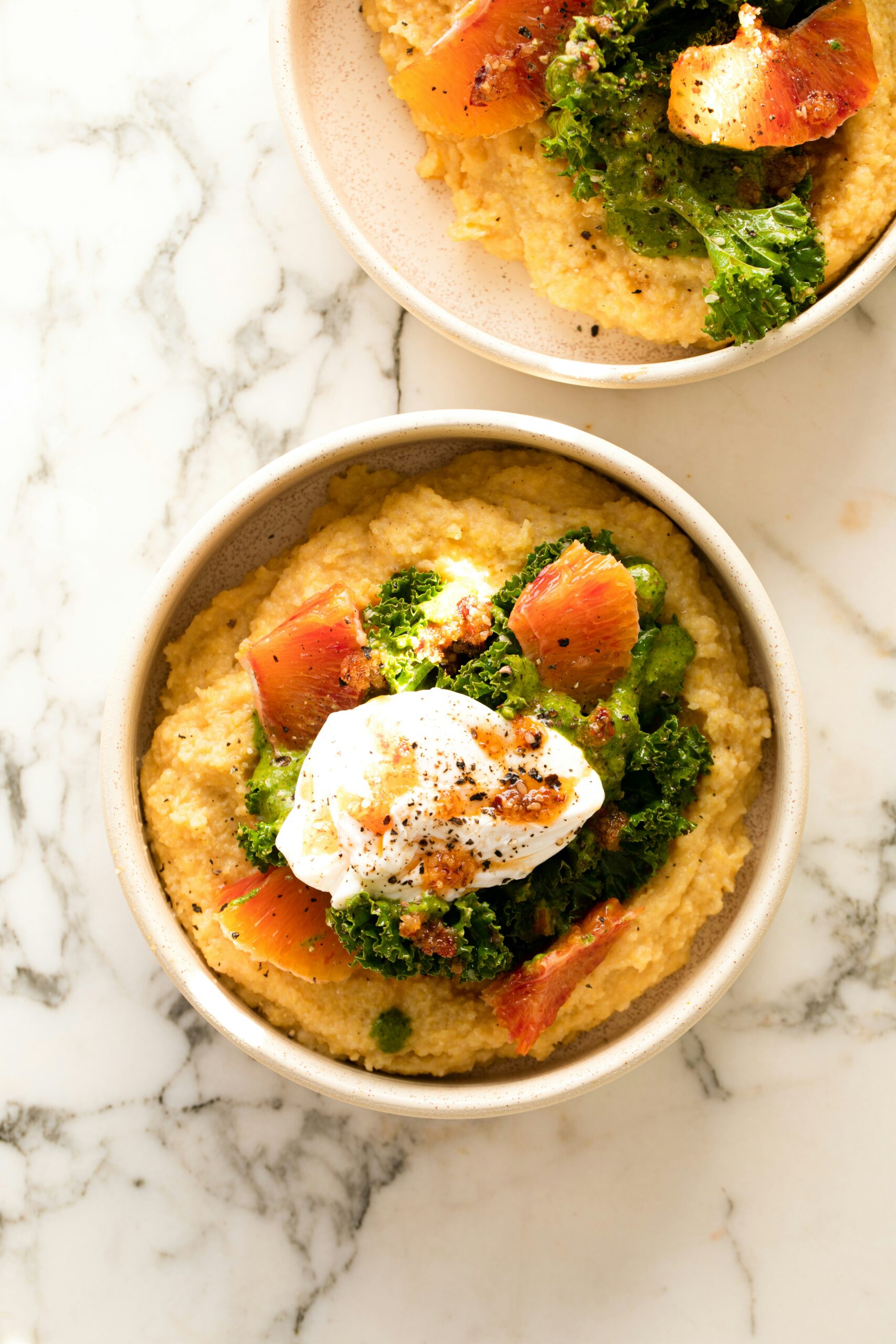

What is Polenta?
Polenta is a traditional dish made from ground cornmeal, originating from the northern regions of Italy and has become popular across various parts of the Balkans. The dish is versatile and can be served in numerous forms, making it a staple in many households. At its core, polenta is often prepared by slowly cooking yellow cornmeal in water, broth, or milk, transforming it into a creamy or solidified dish depending on the preparation technique.
The origins of polenta can be traced back to ancient times, when it was a common food among the peasants of the Italian countryside. Initially made from different grains such as millet or spelt, it evolved to predominantly use cornmeal after the introduction of maize to Europe. This shift not only elevated polenta’s status as a staple food but also enriched the diets of many communities.
There are various types of cornmeal used to make polenta, which influence the taste and texture of the final product. The most common varieties include bramata, which is coarse-ground cornmeal, and fioretto, a finer ground that results in a smoother consistency. The cooking methods for polenta vary, with many chefs recommending a low and slow approach for the best results. This entails gradually adding cornmeal to boiling liquid while whisking continuously to avoid lumps. However, modern culinary techniques have introduced quicker methods, including pressure cooking or using polenta mixes that require less time.
As polenta progresses through its cooking stage, it takes on a rich, comforting quality, which is accentuated when paired with a variety of toppings, from savory sauces to vegetables. The incorporation of polenta into a diverse array of dishes illustrates its adaptability and appeal, firmly establishing it as an essential component in the culinary traditions of the Balkans and beyond.
The Nutritional Benefits of Polenta
Polenta is not just a comforting staple of cuisine but also boasts numerous nutritional benefits that make it an excellent choice for a variety of diets. Primarily made from ground cornmeal, polenta is naturally gluten-free, which allows it to serve as an ideal alternative for those with gluten sensitivities or celiac disease. This attribute not only expands the versatility of polenta but also enhances its appeal across diverse dietary preferences.
In terms of caloric content, polenta is considered relatively low in calories when compared to many other carbohydrate sources. A serving typically contains around 70 to 100 calories, making it a favorable option for those looking to maintain or reduce their caloric intake while still enjoying a satisfying meal. This energy-dense yet low-calorie characteristic makes polenta a great base for various toppings and side dishes, allowing it to fit into both low-calorie and nutrient-dense meal preparations.
Furthermore, polenta is rich in essential vitamins and minerals. It provides a substantial amount of vitamin A, which is crucial for eye health, and certain B vitamins that play a significant role in energy metabolism. Moreover, polenta contains important minerals such as iron and magnesium, contributing to overall health and well-being. The presence of fiber in polenta also supports digestive health by promoting regularity and helping to maintain gut health.
In addition to these nutritional aspects, the versatility of polenta enables it to be incorporated into various meals, from breakfast to dinner, enriching one’s diet with flavors while providing essential nutrients. Ultimately, polenta serves as a nourishing foundation, making it a valuable component of a balanced diet.
Traditional Dishes Featuring Polenta
The versatility of polenta shines through in various traditional dishes from Eastern Europe and the Balkans. As a staple ingredient, polenta is embraced by many regional cuisines, transforming into unique culinary creations that celebrate local flavors and traditions. In Italy, for instance, polenta can be found in the form of ‘polenta taragna’ in the Lombardy and Piedmont regions, where it is made from a mixture of cornmeal and buckwheat flour, creating a distinct flavor profile. This dish is often served alongside rich stews or braised meats, highlighting its ability to complement robust flavors.
In Slovenia, ‘polenta’ is known as ‘polenta’ or ‘moke,’ and is often cooked until thickened and then sliced. It is frequently served as an accompaniment to grilled meats or mushroom stews, showcasing its role as a comforting side dish. Similarly, in Croatian cuisine, the dish known as ‘palenta’ or ‘pura’ is made with cornmeal and typically served with seafood or hearty goulash, reinforcing the ingredient’s adaptability.
Polenta also finds its way into more celebratory dishes. For example, in Romania, ‘mămăligă’ is traditionally served during festive occasions, often topped with sour cream and cheese, establishing itself as a beloved comfort food. This dish highlights how polenta can serve as a canvas for other ingredients, allowing flavors to meld harmoniously.
Moreover, in the sphere of modern gastronomy, chefs have begun to experiment with polenta, incorporating it into innovative dishes that push past traditional boundaries. From savory polenta cakes to dessert polenta puddings, the ingredient continues to evolve, affirming its essential role in both past and contemporary culinary practices across Eastern Europe and the Balkans.
Cooking Techniques: From Creamy Porridge to Fried Slices
Polenta, a staple dish originating from the Balkans, offers a range of cooking techniques that can transform this simple ingredient into various culinary delights. The two primary preparations are creamy polenta and fried slices, each providing a unique texture and flavor profile.
To prepare creamy polenta, begin by bringing water or broth to a boil in a pot. The ratio of liquid to polenta generally hovers around 4:1. Gradually whisk in the polenta, maintaining constant stirring to prevent lumps. Reduce the heat and let it simmer while stirring occasionally until the mixture thickens and becomes a smooth porridge, usually taking about 30 minutes. For added flavor and richness, consider incorporating cheese, butter, or herbs during the final stages of cooking. This method yields a warm, comforting dish perfect for serving as a bed for stewed meats or as a stand-alone side.
Alternatively, if you prefer a firmer texture for slicing, allow the cooked polenta to cool in a pan for several hours or even overnight. Once set, it can be sliced into squares or rectangles and either sautéed, grilled, or baked. For frying, heat a skillet with oil, and cook the polenta slices until golden brown on each side, which creates a delightful crispy exterior while retaining a moist interior. Grilling provides a smokier flavor and is equally rewarding. This technique not only showcases versatility but also allows the polenta to be served as an appetizer or a heartier side dish.
With these techniques, polenta can cater to all tastes and preferences. By mastering both methods, home cooks can explore the full potential of this beloved dish, creating everything from a comforting bowl of creamy polenta to deliciously crisp and flaky slices that invite creativity in the kitchen.
Polenta, a dish originating from the northern regions of Italy, has become a global culinary staple, adapting to various cultures and local ingredients. This simple yet versatile dish, made primarily from cornmeal, has drawn the attention of chefs and home cooks alike in different parts of the world. As polenta travels across borders, it takes on unique forms and flavors reflective of the regions it reaches.
In America, particularly in the Southern states, polenta has emerged as an essential element in the culinary repertoire, often seasoned with local spices or enriched with cheese, herbs, and even meats. Similar to grits, polenta is embraced in a variety of ways, showcasing its versatility. Street vendors and fine dining establishments serve polenta in different styles, from creamy porridge to sliced and grilled, enhancing its appeal.
In Brazil, polenta is often referred to as ‘polenta frita’ and is served deep-fried, bringing an entirely new texture and flavor profile to the table. This adaptation highlights how Brazilian cuisine values the crispy exterior paired with the soft interior, creating a delightful contrast. The dish often accompanies meats and sauces, making it a favored choice at family gatherings and celebrations.
Meanwhile, in Eastern European nations, variations abound where polenta is flavored with local ingredients. For instance, in Romania, ‘mămăligă’ is a popular counterpart to polenta, often garnished with cheese, sour cream, or served with stews. Such adaptations illustrate how traditional recipes evolve and incorporate local palates while retaining the core essence of polenta.
Moreover, the culinary world continues to innovate with polenta, as new health-conscious trends arise. Contemporary chefs are experimenting with organic and gluten-free variations, appealing to those seeking healthier alternatives. Thus, polenta remains a canvas for culinary creativity, evolving to meet the demands of a modern audience while honoring its rich heritage.
Enhancing Your Polenta Experience
Polenta, a staple in many Balkan households, serves as a wonderfully versatile base to carry a variety of toppings and side dishes. The creamy texture of well-cooked polenta provides a perfect canvas for both savory and sweet enhancements, allowing for countless culinary explorations. One way to elevate your polenta is through the introduction of rich sauces. A classic tomato sauce, simmered with garlic and fresh herbs, pairs beautifully, highlighting the dish’s comforting nature.
For those who enjoy a bit of indulgence, a mushroom ragout can elevate the experience further. The umami flavor of sautéed mushrooms combined with garlic and thyme complements the polenta’s softness, creating a delightful balance. Additionally, for those craving a richer flavor, consider a creamy gorgonzola sauce, which can add a depth that transforms the dish into a gourmet experience.
Cheese, in general, plays a crucial role in enhancing polenta. Grated Parmesan, feta, or even a sharp pecorino can be sprinkled on top of your warm polenta for added flavor. These cheeses melt slightly into the dish, creating a rich and inviting taste profile that is characteristic of Balkan cuisine.
Vegetables are another excellent option for pairing with polenta. Roasted bell peppers, sautéed spinach, or grilled zucchini can add color and freshness to your plate. By incorporating seasonal vegetables, not only do you add nutrition, but you also enhance the visual appeal of the dish.
For meat lovers, braised meats such as beef or lamb serve as hearty accompaniments to polenta. These dishes, when paired with polenta, create a filling and satisfying meal that resonates with traditional Balkan flavors. Whether you choose to keep it simple or create an elaborate feast, polenta’s versatility ensures that it can adapt beautifully to your culinary preferences.
Vegan and Vegetarian Polenta Recipes
Polenta, a traditional dish made from cornmeal, offers diverse culinary applications, making it an excellent choice for both vegan and vegetarian diets. Its creamy texture and subtle flavor serve as a perfect canvas for various ingredients, allowing it to shine in numerous recipes. Below are a few simple yet nutritious vegan and vegetarian options that highlight the versatility of polenta.
One delightful recipe is the Polenta Ratatouille. To prepare this dish, begin by cooking polenta according to the package instructions until it reaches a smooth and creamy consistency. Meanwhile, sauté an array of seasonal vegetables like zucchini, eggplant, and bell peppers in a skillet with olive oil, garlic, and herbs. Once the vegetables are tender, spoon them over a generous serving of polenta to create a hearty meal rich in flavors and nutrients.
Another option is the Creamy Mushroom Polenta. For this recipe, cook the polenta and stir in nutritional yeast for a cheesy flavor while keeping it vegan. In a separate pan, sauté a mixture of mushrooms such as shiitake, cremini, and portobello with thyme and shallots until golden brown. Serve the sautéed mushrooms atop the creamy polenta and garnish with fresh parsley. This comforting dish is not only filling but also provides beneficial nutrients.
Lastly, consider a refreshing Polenta Salad. Begin by grilling or baking slices of polenta until crispy. As they cool, combine chopped cherry tomatoes, cucumber, red onion, and fresh herbs in a bowl. Toss these ingredients with a simple vinaigrette and serve the vegetable mix over the warm polenta slices. This recipe highlights the adaptability of polenta, transforming it into a delightful salad that is both nutritious and satisfying.
Incorporating polenta into vegan and vegetarian meals opens up a world of culinary possibilities, ensuring that it remains a staple in healthy eating.
Modern Twists on Traditional Polenta
In recent years, polenta has transcended its traditional role as a simple, comforting dish to emerge as a staple in gourmet kitchens around the globe. Chefs are now leveraging polenta’s versatility to create innovative interpretations that reflect contemporary culinary trends while retaining the rich cultural heritage of this beloved dish. This has resulted in some remarkable culinary creations, showcasing polenta in a variety of unexpected contexts.
One popular approach is to infuse polenta with diverse flavors, transforming it from a neutral base to a vibrant centerpiece. For instance, incorporating ingredients such as saffron, truffle oil, or smoked paprika provides depth and sophistication, elevating a humble dish into a gourmet experience. Furthermore, the texture of polenta can be innovatively manipulated; it can be prepared creamy and soft or allowed to set, sliced, and then grilled or fried for a unique crunch.
Additionally, chefs have begun to pair polenta with an array of toppings and accompaniments that diverge from traditional Italian fare. Consider the fusion of polenta with Asian flavors, such as serving it with stir-fried vegetables or a generous pour of savory miso sauce. Alternatively, Mediterranean influences might lead to polenta being adorned with roasted vegetables, feta cheese, and herbs that create a fresh and zesty combination.
Moreover, plant-based diets have further encouraged chefs to experiment with polenta in creative ways. Vegan interpretations often highlight polenta’s ability to serve as an excellent substitute for more conventional proteins; it can be paired with rich sauces or sautéed greens to form a satisfying and hearty dish. Overall, the endless reinterpretation of polenta illustrates its adaptability, making it a canvas for chefs to express their culinary creativity while honoring its rich Balkan origins.
Conclusion: The Timeless Appeal of Polenta
Polenta, a staple dish originating from the Balkans, has garnered widespread appreciation across various cultures and generations, primarily due to its remarkable versatility and comforting nature. This beloved dish, made from cornmeal, successfully adapts to an array of culinary techniques and flavor profiles, making it suitable for countless recipes. It is this adaptability that allows polenta to transcend cultural boundaries, resonating with individuals around the globe.
From its humble beginnings as a peasant food, polenta has evolved into a cherished component of gourmet cuisine. It can be served creamy alongside rich sauces, allowed to solidify and sliced for grilling, or even made into cakes and fritters. Its ability to accommodate a variety of toppings, from hearty meat sauces to vibrant vegetables, demonstrates not only its culinary flexibility but also its capacity to cater to diverse dietary preferences.
Nutritionally, polenta offers significant value, comprising primarily carbohydrates. It is also gluten-free, making it an excellent alternative for those with gluten sensitivities. Furthermore, when paired with wholesome ingredients, polenta can become part of a balanced meal, providing energy and sustenance while simultaneously warming the soul.
Beyond its nutritional and culinary benefits, polenta serves as a conduit for community and connection. Shared meals involving polenta often bring families and friends together, enhancing the social dynamics of dining experiences. It fosters a sense of belonging, as individuals gather to appreciate not just the dish itself, but also the stories and traditions that accompany it.
Ultimately, the timeless appeal of polenta lies in its multifaceted nature, offering comfort, nourishment, and a profound sense of shared heritage. Whether enjoyed at a family gathering or featured in a high-end restaurant, polenta is indeed a dish that continues to leave a lasting impression.