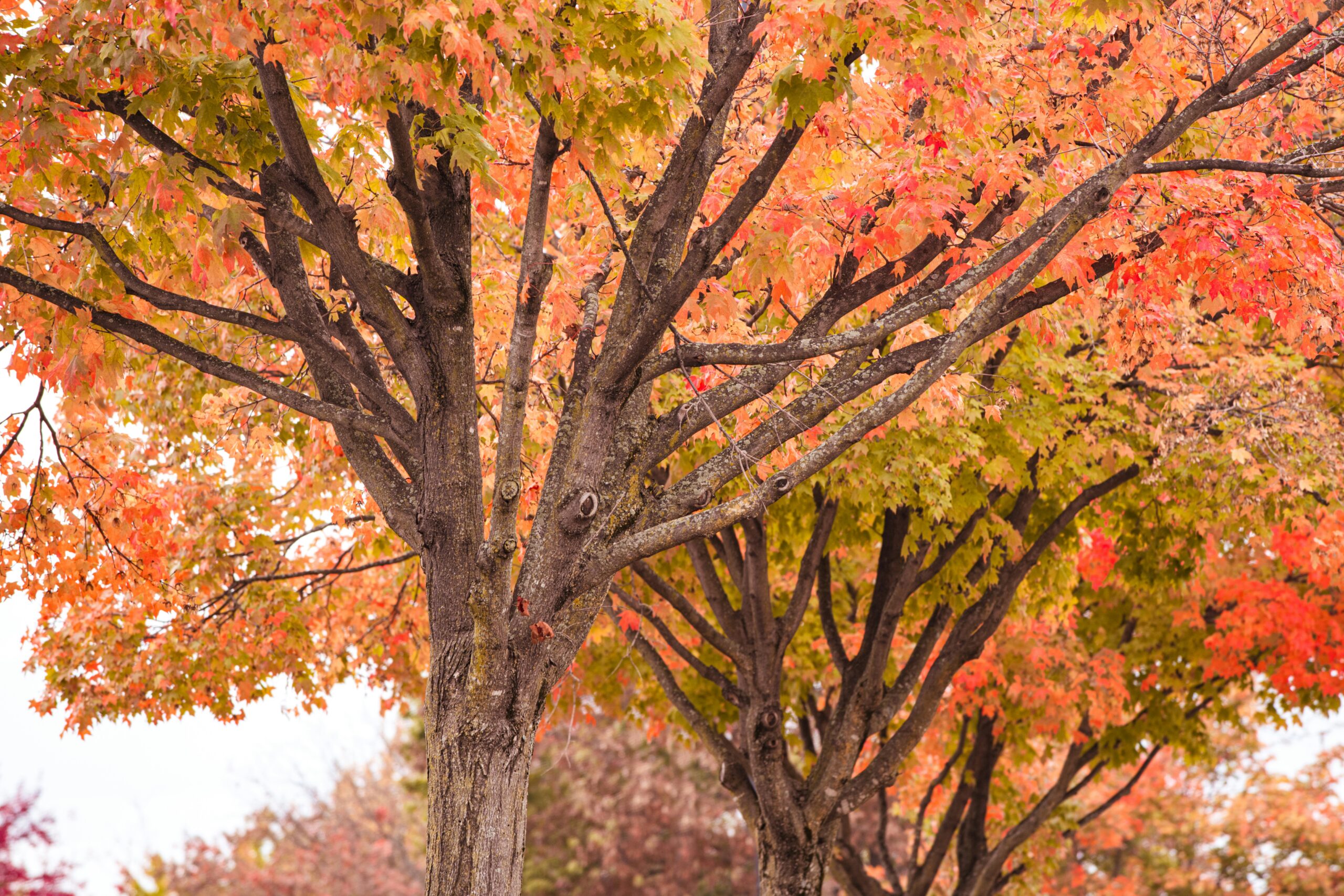

Introduction to Ohio’s Champion Trees
Champion trees represent a unique and significant part of forestry conservation and appreciation, recognized for their size, age, and noteworthy characteristics. A tree qualifies as a champion based on certain criteria, which typically include its height, trunk circumference, and canopy spread. Each state in the United States has its own catalog of champion trees, and Ohio boasts a remarkable diversity of these natural giants throughout its landscapes.
The ecological importance of trees cannot be overstated. They play a vital role in supporting wildlife habitats, improving air quality, and contributing to overall biodiversity. In urban and rural settings alike, trees offer shade, enhance aesthetics, and provide necessary resources such as food and shelter for various species. Champion trees, in particular, serve as living monuments, embodying both ecological richness and rich cultural history.
In Lewis Center, Ohio, these champion trees hold additional significance. The community is home to some extraordinary specimens recognized not only for their size but also for their contribution to education and recreation. Observing these majestic trees helps foster a connection to nature and encourages local stewardship of the environment. Moreover, it gives residents and visitors alike an opportunity to experience the inherent beauty of Ohio’s natural heritage.
Understanding the concept of champion trees paves the way for appreciating the role they play within Ohio’s ecosystems, especially in Lewis Center. The conservation of these grand trees is essential for maintaining environmental health and ensuring that future generations have the chance to learn from and enjoy these splendid examples of nature’s resilience.
Lewis Center, Ohio, is nestled within the scenic landscape of Delaware County, and its geographical features significantly contribute to the richness of its arboreal environment. The region is characterized by its rolling hills and fertile valleys, which provide a diverse backdrop for various plant life. The climate in Lewis Center is classified as humid continental, contributing to a distinct growing season that allows for the flourishing of an array of tree species. This combination of geography and climate creates an ideal setting for the growth of exceptional specimens, including the revered ohio champion trees.
Located strategically in central Ohio, Lewis Center experiences warm summers and cold winters, which influence tree species diversity. The well-distributed rainfall throughout the year supports robust tree growth, while the moderate temperatures create conditions conducive for both native and non-native species. As a result, Lewis Center has become a haven for remarkable trees, showcasing a variety of species, including oaks, maples, and sycamores. These species not only contribute to the aesthetic value of the area but are also instrumental in promoting the ecological health of the environment.
In addition to the variety of native species, the presence of ohio champion trees adds to the unique character of Lewis Center’s landscape. These trees are recognized for their exceptional size and growth, often becoming noteworthy symbols of the natural heritage. The diversity of trees found in this region directly reflects its flourishing ecosystem, which supports various wildlife, enhances air quality, and provides recreational opportunities for the community. The interplay between geography, climate, and tree diversity underscores why Lewis Center is considered one of Ohio’s prime locations for champion trees, drawing both locals and visitors alike who wish to explore its natural wonders.
What Makes a Tree a Champion?
The distinction of being a champion tree is based on a set of well-defined criteria established by organizations such as the National Tree Register. These criteria evaluate trees on three primary metrics: height, trunk circumference, and crown spread. Each of these factors plays a critical role in determining a tree’s status as a champion.
Height is the most visible and often impressive measurement of a tree. It is measured from the ground to the highest point of the tree’s canopy. In Lewis Center, Ohio, many towering examples of champion trees have been recorded, showcasing impressive heights that enhance the region’s natural beauty. The sheer height of these specimens not only signifies age but also highlights the environmental conditions that allowed them to thrive.
Trunk circumference is another vital measurement. It is calculated at a height of 4.5 feet above ground and is indicative of the tree’s overall health and growth potential. Trees in Lewis Center, like the majestic oak and towering walnut, often display remarkable trunk circumferences. This contributes to their classification as champion trees because a larger trunk typically indicates a longer lifespan and greater stability against environmental threats.
Finally, crown spread, or the width of the tree’s canopy, reflects the ability of the tree to capture sunlight and photosynthesize. A broad canopy is vital for sustaining the ecosystem surrounding the tree. For instance, champion trees in Lewis Center often boast expansive crowns, providing habitat for various species and contributing to local biodiversity.
By examining these criteria, it becomes clear how champion trees in Lewis Center, Ohio, earn their status. The unique combination of height, trunk circumference, and crown spread not only signifies their immense beauty but also their ecological significance in the region.
The Ecological Importance of Champion Trees
Champion trees, such as those found in Lewis Center, Ohio, play a crucial role in maintaining ecological balance within their environments. These remarkable trees serve as vital components of biodiversity, providing habitat and resources for myriad wildlife species. Their stature and longevity allow them to support various forms of life, from birds and insects to mammals and fungi, thereby enhancing the overall health of ecosystems.
In urban settings like Lewis Center, champion trees create green spaces that significantly contribute to enhancing the quality of life. They promote biodiversity by creating microhabitats where various species can thrive. For example, the large canopies of champion trees provide nesting sites for birds and shelter for small mammals. These trees are also critical for pollinators, as their flowers attract bees and butterflies, ensuring the pollination of various plants and crops within the area.
Another significant ecological function of champion trees is their capacity for carbon sequestration. By capturing carbon dioxide from the atmosphere, these trees help mitigate climate change, a pressing issue that affects ecosystems worldwide. Urban champion trees, particularly those in Lewis Center, absorb significant amounts of CO2 while also releasing oxygen and improving air quality. This natural filtration system plays an essential role in controlling urban pollution levels.
Moreover, champion trees help in managing stormwater runoff. Their extensive root systems can absorb large volumes of rainwater, reducing the risk of flooding and promoting groundwater recharge. This function supports the local hydrology and preserves the integrity of water bodies in the vicinity. Overall, the ecological importance of champion trees in Lewis Center, Ohio, extends far beyond their aesthetic value, making them essential pillars of both urban and natural ecosystems.
A Tour of Lewis Center’s Champion Trees
Lewis Center, Ohio, is home to a remarkable array of champion trees, each holding a unique place in the natural landscape and cultural heritage of the region. Among these, the Eastern Cottonwood, recognized for its towering height and significant girth, stands as a testament to the resilience of nature. This particular tree measures an impressive 90 feet tall with a circumference of over 20 feet, making it the largest of its kind within the state. Local lore suggests that the tree has stood since before the establishment of the town, growing alongside pivotal moments in the community’s history.
Another notable specimen is the Black Walnut tree, renowned for both its size and its rich history of cultivation. With a height of 75 feet and a circumference nearing 15 feet, this tree has been a source of sustenance and materials for generations. Residents recall stories passed down from their ancestors who utilized the tree’s nuts for food and its wood for crafting furniture, intertwining this tree’s legacy with the very fabric of local culture.
The Northern Red Oak, another champion tree in Lewis Center, boasts a stunning stature of 80 feet tall and a circumference measuring approximately 22 feet. This majestic giant is not only admired for its size but also serves an essential role in local ecosystems, providing habitat for various wildlife species. Its acorns are a vital food source for birds and small mammals, further solidifying its significance within the area.
Each of these champion trees represents narratives of historical significance and ecological importance, inviting both residents and visitors alike to appreciate the living heritage within Lewis Center. As we explore these magnificent specimens, it becomes evident that the legacy of Ohio’s champion trees is deeply woven into the community’s identity, enriching both the landscape and the lives of those who cherish them.
Conservation Efforts and Challenges
Ohio’s champion trees are not just remarkable natural wonders; they also face numerous threats that demand proactive conservation efforts. Urban development in growing communities such as Lewis Center poses significant risks to these majestic trees, as land is cleared for construction and expansion. Additionally, climate change has introduced new challenges, altering growth patterns and increasing vulnerability to pests and diseases. The combination of these threats places immense pressure on the state’s cherished tree populations.
In response to these challenges, significant conservation initiatives have emerged both locally and statewide. Community efforts in Lewis Center aim to raise awareness of the importance of these champion trees, educating residents on their ecological and historical significance. Local organizations collaborate with schools and community groups to foster an appreciation for these natural treasures, encouraging citizens to participate in tree planting and preservation activities.
Statewide, the Ohio Department of Natural Resources (ODNR) is implementing policies to protect these champion trees through designated conservation areas. Partnerships with non-profit organizations and environmental advocacy groups play a critical role in promoting tree preservation through research and outreach efforts. They are paving the way for sustainable management practices that can mitigate the impact of urbanization on champion trees in Lewis Center and beyond.
Besides education and community engagement, ongoing research is vital for understanding the impacts of climate change and disease on Ohio’s champion trees. By studying tree health and genetic diversity, scientists work towards developing more resilient tree populations that can withstand the challenges of a changing environment. In conclusion, despite the significant threats that champion trees in Lewis Center face, a combination of local and state-driven conservation efforts illustrates a community united in the protection of these invaluable ecological assets.
Community Involvement and Education
In Lewis Center, Ohio, local organizations and schools are actively engaged in fostering a culture of conservation and appreciation for the natural resources within the community, particularly the renowned champion trees. These trees, some of the largest and oldest specimens of their species, not only symbolize the area’s rich ecological heritage but also serve as vital educational tools for promoting environmental stewardship.
Several programs have been implemented to educate residents about the significance of these remarkable trees. For instance, community workshops focusing on tree identification and the ecological importance of champion trees are regularly held. These workshops often involve partnerships with environmental organizations, local universities, and forestry experts who share their knowledge and experience with participants. Such initiatives aim to instill a greater appreciation for Lewis Center’s unique flora and encourage community members to participate in conservation efforts.
Schools also play a crucial role in promoting tree education. Through field trips and classroom activities centered around the study of Ohio champion trees, students gain firsthand experience with nature and learn how to care for their environment. Programs often include hands-on activities, such as tree planting days, where students actively contribute to enhancing the local ecosystem. This serves not only to beautify the community but also reinforces the importance of sustainability and biodiversity.
In addition to workshops and educational programs, various events are organized throughout the year that celebrate the unique characteristics of Ohio champion trees. These events often feature guided walks, tree care demonstrations, and guest speakers who provide insights into the benefits of preserving these natural wonders. By engaging community members in these activities, Lewis Center fosters a collective sense of responsibility and enthusiasm for environmental conservation.
Visiting Lewis Center’s Champion Trees
Lewis Center, Ohio, is a haven for enthusiasts of natural beauty, particularly for those interested in the captivating Ohio champion trees. To experience these majestic natural wonders, visitors are encouraged to plan their trips during the spring and fall months, when the foliage provides a vibrant backdrop, and the weather is typically mild. These seasons reveal the champion trees in their full glory, enhancing any visit.
A reliable resource for understanding the layout of the area is the local parks and recreation department, which can provide maps highlighting the locations of champion trees. Notable sites often include parks and nature reserves where these trees are situated. For those seeking a guided experience, many local organizations offer tours led by knowledgeable guides who can provide insights into the history and ecological significance of these trees. Engaging in a guided tour can enhance the experience, allowing visitors to appreciate not only the trees but also the surrounding biodiversity.
When visiting the champion trees, it is important to maintain a sense of respect toward these natural monuments. Visitors should adhere to park rules and guidelines, such as staying on designated trails to prevent damage to the surrounding ecosystem. Additionally, keeping noise levels to a minimum and refraining from climbing on the trees are crucial actions to respect these natural specimens. Photography is encouraged, but capturing images without disturbing the trees or their habitat should be a priority. By following these guidelines, visitors can contribute to the preservation of the Ohio champion trees and enjoy a fulfilling experience in Lewis Center, Ohio.
Conclusion: The Future of Champion Trees in Lewis Center
Preserving the legacy of Ohio’s champion trees, particularly those found in Lewis Center, not only serves as a testament to our natural history but also plays a crucial role in environmental health. These majestic trees stand tall as living monuments, embodying centuries of growth, resilience, and ecological significance. As often observed, champion trees provide essential habitats for countless animal species, improve air quality, and enhance local aesthetics. Their existence encourages both residents and visitors to engage with nature in meaningful ways.
Recognizing the importance of these natural wonders prompts a collective responsibility towards their conservation. It is vital for the community to take an active role in safeguarding these trees, ensuring that future generations can experience their magnificence. Encouraging local conservation initiatives, participating in tree planting programs, and advocating for sustainable practices are all beneficial steps in this direction. Education about the significance of the ohio champion trees in Lewis Center can inspire community members to foster appreciation for their environment.
Moreover, the impact of urbanization poses significant threats to champion trees. As developments encroach upon green spaces, awareness and proactive measures must be taken. By championing the cause of these trees, individuals can create ripples of change that contribute to a more sustainable environment. Together, we can appreciate not just the identified champion trees, but also those less recognized, nurturing a culture of conservation that respects and protects all forms of nature.
In conclusion, the future of champion trees in Lewis Center, Ohio, rests in our hands. By fostering recognition and appreciation for these natural treasures, combined with committed conservation efforts, we can ensure that these remarkable trees continue to thrive for years to come. Let us honor their legacy and commit ourselves to preserving the rich natural heritage of our region.