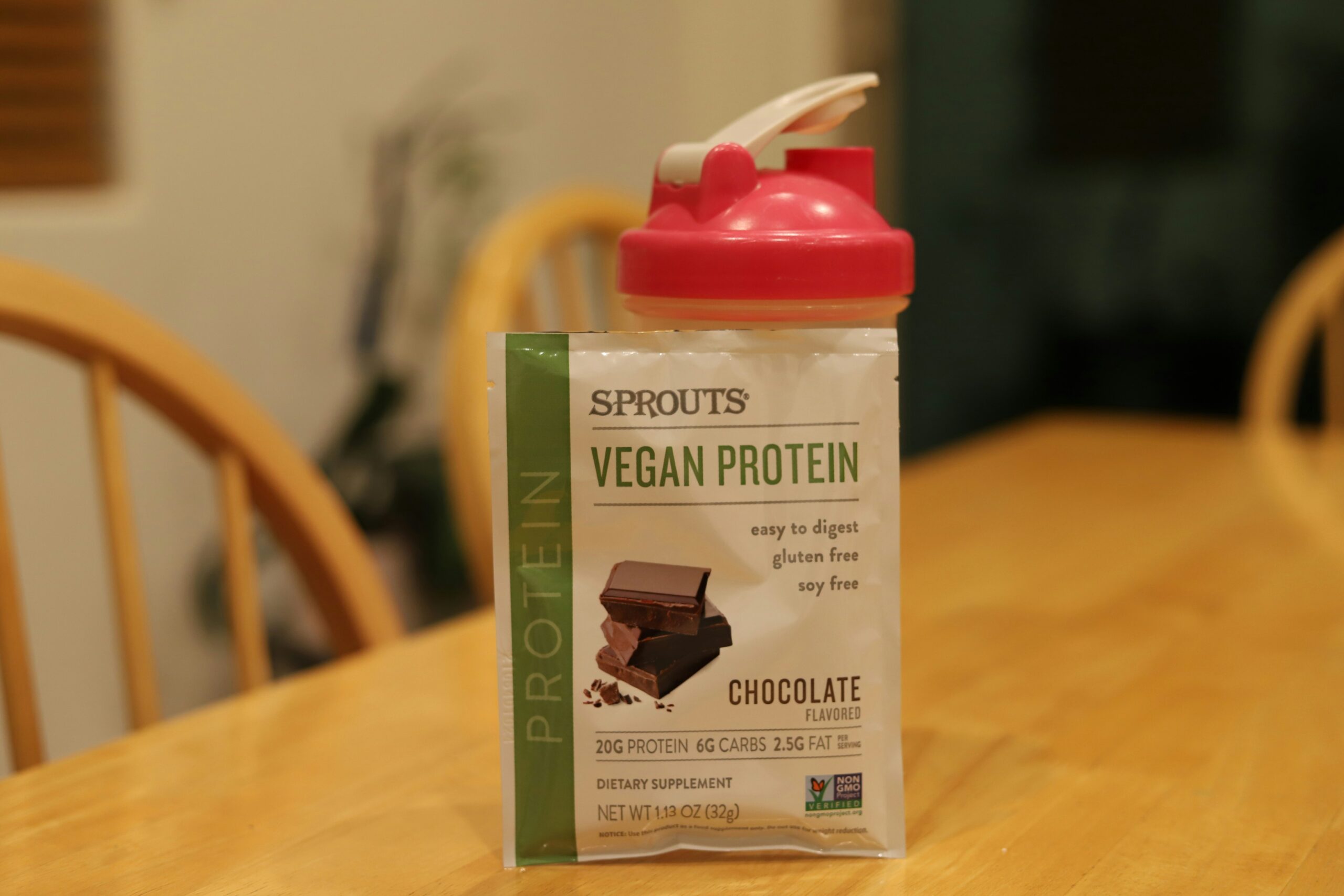

Introduction to Insoya
Insoya is emerging as a prominent source of plant-based protein, derived primarily from soybeans. As a food source, it offers a comprehensive amino acid profile that is essential for maintaining overall health. The increasing awareness regarding health and nutrition has propelled the popularity of Insoya among consumers who seek alternatives to traditional animal-based proteins.
The trend towards plant-based diets has gained significant momentum in recent years, with individuals and communities across the globe adopting more sustainable eating habits. Insoya stands out within this movement due to its versatility and nutritional benefits. As more people become conscious of their food choices, they are increasingly turning to plant-based options that are not only healthier but also aligned with ethical and environmental considerations.
Insoya products, available in various forms such as tofu, soy milk, and textured vegetable protein, are gradually becoming staples in households. This transition signifies a broader shift away from meat-based diets. Research suggests that incorporating Insoya into daily meals can lead to health advantages such as improved heart health, weight management, and reduced risk of certain diseases.
The accessibility of Insoya in grocery stores and its rise in popularity in restaurants reflect the changing food landscape. Chefs and nutritionists are creatively integrating Insoya into their menus, further appealing to a diverse audience, including vegans, vegetarians, and those looking to reduce meat consumption without compromising flavor or quality. This growing acceptance reinforces Insoya’s role not only as a protein source but also as an integral ingredient in modern culinary practices.
Nutritional Profile of Insoya
Insoya, derived from soybeans, is rapidly becoming a favored source of plant-based protein among health-conscious individuals and vegetarians alike. Its impressive nutritional profile includes a remarkable protein content, boasting approximately 36-40% protein by weight. This high protein content positions Insoya favorably compared to traditional animal-based proteins such as chicken or beef, which typically contain 20-25% protein. This makes Insoya an excellent choice for those looking to enhance their protein intake without relying on meat products.
One of the standout features of Insoya is its complete amino acid profile. Unlike many plant proteins that lack one or more essential amino acids, Insoya offers all nine essential amino acids needed for the body’s growth and repair. This characteristic makes it an ideal protein source particularly for vegans and vegetarians who must be more mindful about getting a balanced amino acid intake. In addition to its protein benefits, Insoya is rich in various vitamins and minerals, including B vitamins such as folate and riboflavin, as well as minerals like iron, calcium, and magnesium. These nutrients are crucial for energy production, bone health, and overall well-being.
When comparing Insoya to other plant-based proteins, such as quinoa or lentils, it becomes apparent that Insoya often has superior protein content and amino acid completeness. While quinoa has a similar profile, it generally contains less protein and may not provide enough essential amino acids. On the other hand, lentils, while high in protein, also fall short in certain essential amino acids. This comparison indicates that Insoya not only meets but often exceeds the nutritional advantages provided by other common protein sources.
Health Benefits of Insoya
Insoya, derived from soybeans, is increasingly recognized for its numerous health benefits, making it an essential component of a balanced diet. One of the most significant advantages of consuming Insoya is its positive impact on heart health. Rich in polyunsaturated fats, particularly omega-3 and omega-6 fatty acids, Insoya contributes to the reduction of bad cholesterol levels, thereby promoting cardiovascular well-being. Numerous studies have identified a correlation between soy consumption and lower incidences of heart disease, indicating its role as a heart-healthy food choice.
In addition to cardiovascular benefits, Insoya is a powerhouse of protein, supporting muscle building and repair. For individuals engaged in regular physical activity or strength training, Insoya serves as an ideal protein source due to its high biological value. Furthermore, as a complete protein, Insoya contains all nine essential amino acids necessary for optimal body function, making it a convenient substitute for meat and dairy products, particularly for vegetarians and vegans.
The nutrient-rich composition of Insoya also plays a pivotal role in potential chronic disease prevention. Soy is abundant in isoflavones, which are antioxidants that have been shown to reduce inflammation and combat oxidative stress in the body. Regular intake of Insoya may lower the risk of certain conditions such as type 2 diabetes, osteoporosis, and even some types of cancer. Additionally, the presence of vitamins, minerals, and fiber in Insoya can enhance digestive health and overall immunity, contributing to an improved quality of life.
Insoya and Weight Loss Support
In the quest for effective weight loss strategies, the incorporation of plant-based proteins such as insoya has garnered significant attention due to its numerous health benefits. High in protein yet lower in calories than many animal protein sources, insoya stands out as an appealing option for individuals aiming to shed excess weight. Studies consistently reveal that protein plays a crucial role in weight management by promoting feelings of fullness and reducing appetite, leading to decreased caloric intake.
The satiety factor associated with insoya is particularly noteworthy. Research published in the American Journal of Clinical Nutrition indicates that high-protein diets can lead to a substantial reduction in hunger levels and an increase in the feeling of fullness. Thus, incorporating insoya into meals may enable individuals to naturally limit their caloric consumption without the need for extreme dieting measures.
Moreover, insoya offers a favorable amino acid profile, making it a compelling alternative to traditional meats. For those seeking to lose weight while still achieving adequate protein intake, insoya not only provides essential nutrients but also assists in preserving lean muscle mass during weight loss diets. Muscle mass is vital for maintaining metabolic rate, which is essential for effective and sustainable weight loss.
Incorporating insoya into daily dietary habits can creatively include various forms such as tofu, tempeh, and soy milk. Each of these provides flexible ways to enjoy a high-protein, low-calorie diet. By optimizing meal plans to include insoya, individuals can experience enhanced weight management outcomes while reaping the array of health benefits associated with plant-based diets.
How to Incorporate Insoya into Your Diet
The versatility of insoya in the kitchen makes it an exceptional addition to a wide variety of dishes. As a source of plant-based protein, it can easily enhance the nutritional profile of your meals while offering a delightful texture. Here are some practical tips and recipe ideas to incorporate insoya into your daily diet.
One of the simplest ways to add insoya to your meals is by substituting traditional protein sources with soy products. For instance, you can combine tofu or tempeh—made from fermented soybeans—into stir-fries. These ingredients take on the flavors of your cooking while providing a substantial amount of protein. Additionally, you can marinate tofu in sauces or spices to amplify its flavor before grilling or baking.
Another delicious approach is to integrate soy milk into your smoothies or breakfast shakes, substituting it for dairy milk. Adding in a banana, some spinach, and a scoop of your favorite protein powder creates a nutrient-rich drink perfect for starting your day. Moreover, consider using edamame as a snack or in salads to introduce a crunchy, satisfying element to your meals.
You can also bake with insoya by using soy flour as part of your baked goods. This can enrich muffins and bread with extra protein, catering to a health-conscious audience without compromising on taste. For a unique twist, try making plant-based tacos using crumbled tempeh seasoned with traditional Mexican spices; it provides an excellent filling that is both flavorful and nutritious.
Incorporating insoya into your diet not only diversifies your meals but also enhances overall health through its high protein content and various essential nutrients. As you explore different recipes and cooking methods, you’ll discover the exceptional adaptability of soy products, leading to improved dietary habits that can benefit you and your family.
Comparing Insoya to Other Plant-Based Proteins
Insoya, derived from soy, has emerged as a significant contender in the realm of plant-based proteins, often compared to popular alternatives like pea, hemp, and quinoa. Each of these proteins offers unique nutritional benefits, digestibility rates, and culinary usability, but Insoya stands out in several key areas.
Firstly, when analyzing nutritional value, Insoya boasts a comprehensive protein profile; it contains all nine essential amino acids, making it a complete protein source, much like animal-derived proteins. In contrast, pea protein, although rich in essential amino acids, lacks some of the methionine content found in Insoya. Hemp protein is another nutritious alternative, replete with omega fatty acids and fiber, but it also lacks some essential amino acids, positioning Insoya as a more rounded option for those seeking complete nutritional benefits.
In terms of digestion, Insoya is generally easier on the digestive system compared to its counterparts. Pea protein can sometimes cause bloating for certain individuals due to its impact on gut bacteria, while hemp, although rich in nutrients, may not be as easily digestible for everyone due to its fiber content. Insoya, on the other hand, has been noted for its hypoallergenic properties, making it suitable for a wider audience, including those with specific dietary restrictions or sensitivities.
Usability in recipes further differentiates these proteins. Insoya’s versatility allows it to be seamlessly integrated into a variety of dishes, from smoothies to baked goods, while also enhancing texture in meat alternatives. Hemp and quinoa offer excellent nutritional profiles but may not blend as well in some culinary applications. This adaptability makes Insoya particularly attractive to chefs and home cooks alike, fostering creativity in plant-based cooking.
Overall, while all these plant-based proteins contribute valuable nutrients and health benefits to one’s diet, Insoya’s balanced nutrition, digestibility, and versatility make it an outstanding option for those seeking to unlock the health benefits of plant proteins.
Potential Concerns and Considerations
While Insoya and soy products offer numerous health benefits, it is essential to address the potential concerns surrounding their consumption. Allergies to soy are one of the primary issues that some individuals face. Soy allergies can manifest with symptoms ranging from mild digestive distress to severe anaphylactic reactions. Consequently, those with existing soy allergies should avoid all forms of soy, including Insoya, to prevent adverse health effects.
Another area of debate centers around the hormonal effects of soy and its isoflavones. Isoflavones, which are phytoestrogens, may mimic estrogen in the body, leading to concerns about their impact on hormone levels, particularly in women. Research shows that moderate consumption of soy products is generally safe for most individuals, with some studies suggesting potential protective effects against hormone-related cancers. However, individuals with hormone-sensitive conditions should consult healthcare providers for personalized advice.
Moreover, a significant percentage of soybeans cultivated worldwide are genetically modified (GMO). This prompts concerns among consumers regarding the long-term effects of GMO consumption on health and the environment. It is crucial for consumers to be informed about where their soy products, including Insoya, originate. Choosing organic or non-GMO certified soy products can mitigate risks associated with genetically modified organisms.
Despite these concerns, research continues to demonstrate that moderate consumption of soy products is safe for most people. Incorporating Insoya as part of a balanced diet can provide valuable protein and essential nutrients without significant health risks for the majority of the population. Appropriate consideration of personal allergies, hormonal health, and sourcing will be crucial in enjoying the benefits of this plant-based protein source responsibly.
Sustainability of Insoya Production
In recent years, the environmental impact of various protein sources has garnered increased attention, particularly in terms of sustainability. Insoya, derived from soybeans, presents a more environmentally friendly alternative to traditional animal-based protein sources. The cultivation of soy has been recognized for its potential to generate high yields of protein while utilizing fewer natural resources compared to livestock farming.
One of the primary sustainability benefits of Insoya production is its lower carbon footprint. Animal farming is notorious for its significant greenhouse gas emissions, with livestock contributing substantial quantities of methane and nitrous oxide. In contrast, Insoya farming has a markedly reduced overall impact, as the cultivation of soybeans sequesters carbon dioxide and requires less land and water. This efficient use of resources aligns with global efforts to combat climate change and reduce deforestation.
Furthermore, sustainable Insoya farming practices emphasize crop rotation and organic farming, which enhance soil health and biodiversity. Unlike conventional farming methods that may rely heavily on chemical fertilizers and pesticides, sustainable Insoya production focuses on integrating eco-friendly practices. For instance, intercropping with other plant species can lead to improved soil structure and reduced dependency on synthetic inputs.
The rise of plant-based proteins like Insoya furthers the shift toward more sustainable food systems. By choosing Insoya over animal-based proteins, consumers can support agricultural practices that minimize environmental degradation, while still meeting nutritional needs. Additionally, organizations and farmers are actively working to enhance the traceability and certification of sustainable soy, thereby ensuring that Insoya products contribute positively to environmental conservation efforts.
Overall, the transition to Insoya not only represents an opportunity for healthier diets but also signifies a crucial step towards a more sustainable food production system, mitigating the adverse impacts associated with traditional livestock farming.
Conclusion: The Future of Insoya in Nutrition
As we reflect on the various benefits of Insoya, it becomes clear that this plant-based protein source stands out in the realm of nutrition. Insoya is not merely a trend but a sustainable solution for health-conscious individuals seeking an effective alternative to animal protein. Rich in essential amino acids, vitamins, and minerals, it offers a comprehensive nutritional profile that is beneficial for both vegetarian and non-vegetarian diets alike.
One of the foremost advantages of Insoya is its ability to provide high-quality protein while promoting environmental sustainability. By incorporating Insoya into daily meals, individuals support reduced greenhouse gas emissions associated with traditional livestock farming. Furthermore, Insoya is adaptable in various culinary contexts, making it an easy ingredient to incorporate into diverse recipes ranging from smoothies and soups to salads and main dishes.
Additionally, the health benefits attributed to Insoya, such as improved heart health and better digestion, underscore its importance in a balanced diet. Its low cholesterol and fat content, combined with a high fiber level, contribute to overall well-being. For those seeking to lead healthier lifestyles, Insoya serves as an ideal food source that aligns with both nutritional needs and ethical considerations.
Encouragingly, the growing interest in plant-based diets and sustainable eating habits positions Insoya as a key player in future nutrition trends. As more consumers explore vegetarianism or flexitarian diets, they may find that Insoya not only meets their dietary requirements but also enhances their culinary experiences.
In conclusion, the inclusion of Insoya in daily nutrition can transform eating habits for the better. Its nutritious, sustainable, and versatile nature makes it a compelling choice for anyone looking to improve their diet while making a positive impact on the planet.