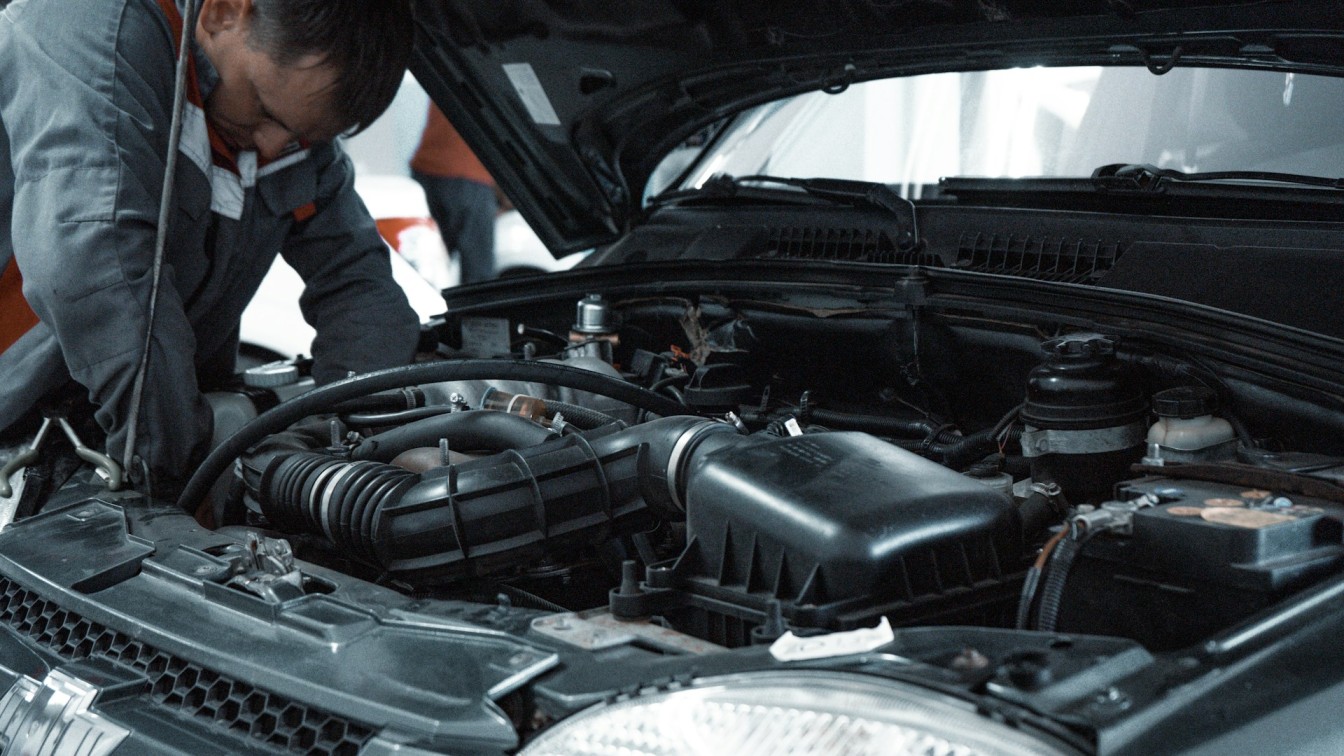

What is an Ausbeulstation?
An Ausbeulstation, or dent repair station, is a specialized workstation tailored for the restoration of vehicle body damage. This comprehensive setup is specifically designed to handle various types of bodywork, focusing on areas that have been affected by dents, dings, or other forms of damage. Traditionally, vehicle repair has required extensive resources and equipment, but adeptly utilizing an Ausbeulstation streamlines the process, allowing for efficient and effective repairs.
The Ausbeulstation typically consists of several essential components that these repair procedures incorporate. A key element is the spotter, a versatile tool that aids in the precise manipulation of the vehicle’s body panels. This device is crucial for identifying the most effective approaches to repairing damage without compromising the integrity of the original materials. The spotter is complemented by a trolley, which serves as a mobile support system for tools, making it easier for technicians to access and utilize various equipment without hindrance.
Moreover, the assortment of tools included in an Ausbeulstation ensures that technicians can address a wide range of repair challenges. These tools may encompass hammers, body fillers, and adhesives, each designed to fulfill specific roles in the repair process. This diversity of equipment not only enhances the Autubeulstation’s functionality but also ensures that repairs meet high-quality standards. Additionally, the flexibility of a mobile Ausbeulstation allows technicians to bring their repair capabilities to different locations, significantly expanding service outreach and efficiency.
Components of an Ausbeulstation
An ausbeulstation, designed for efficient vehicle body repairs, consists of several essential components that work in unison to facilitate the dent repair process. Understanding these components is crucial for effective and high-quality repairs.
The first key element of the ausbeulstation is the spotter. This piece of equipment is designed for both steel and aluminum panels, incorporating sophisticated technology that helps in accurately identifying damage in the metal structure. The spotter uses a number of attachment methods to remove dents while carefully preserving the integrity of the vehicle’s bodywork. This makes it an indispensable tool for professional repair technicians who need to cover a wide range of vehicle types.
Another critical component is the trolley, which serves as a mobile base for the various tools used in the dent repair process. The trolley is designed for mobility and convenience, allowing technicians to easily transport necessary equipment around the workshop or job site. It can carry various tools, such as pulling systems, glue pots, and heating elements, ensuring that everything needed is within arm’s reach during repairs.
Additionally, various tools are integral to the functionality of an ausbeulstation. These include hammers, dollies, and specialized pulling devices that enable precise manipulation of the damaged panel. Each tool plays a specific role; for example, hammers are crucial for reshaping metal, while dollies provide backing support to create a smooth finish. Moreover, heat guns and other accessories may be used to facilitate the process of manipulating certain types of plastic or composite materials.
Understanding the components of an ausbeulstation is essential for anyone involved in vehicle body repair. By utilizing the spotter, trolley, and assorted tools effectively, technicians can ensure a high standard of repairs, preserving both functionality and aesthetics of the vehicle.
How Ausbeulstations Work
The functionality of an ausbeulstation hinges on a sophisticated interplay of tools and techniques specifically designed to address vehicle body repairs. These mobile stations are equipped with modern equipment and trained professionals who utilize various methods to restore the car’s exterior to its original condition. One of the primary techniques employed is paintless dent repair (PDR), which allows for the removal of minor dents without compromising the vehicle’s paint finish.
When a vehicle is brought to an ausbeulstation, technicians conduct a thorough assessment of the damage. This assessment is crucial as it informs the choice of repair technique. In the case of PDR, a specialized set of tools is employed. These tools include and are not limited to metal rods and taps, which are used to massage the dent from behind the panel. This technique is most effective when the metal is malleable enough, allowing it to return to its original structure without the need for repainting.
Moreover, ausbeulstations often leverage technology by using a combination of heat and light during the repair process. Heat helps to expand the metal, easing the reshaping process; meanwhile, specialized lighting is used to illuminate the surface and reveal imperfections that might not be visible under normal conditions. This combination ensures that technicians can identify problem areas and effectively restore them.
In addition to PDR, ausbeulstations may also utilize adhesives for securing areas that require additional support post-repair. The components of the ausbeulstation are essential not only for the efficiency of the repair process but also for ensuring that customer satisfaction is achieved through high-quality restoration practices. Overall, the innovative methodologies and equipment found in an ausbeulstation exemplify a significant advancement in mobile vehicle body repair solutions.
The Ausbeulstation offers several benefits that enhance the efficiency and effectiveness of vehicle body repairs. One of the primary advantages of using an ausbeulstation is improved efficiency. Traditional body repair processes often require multiple steps and considerable time, whereas the mobile nature of an ausbeulstation allows for on-site repairs. This mobility means that technicians can perform repairs at the location of the vehicle, eliminating lengthy transport times to repair shops.
Moreover, the ausbeulstation is designed with advanced tools that streamline the repair process. By employing state-of-the-art technology, professionals can achieve high-quality results in a fraction of the time it would take using conventional methods. This not only benefits the vehicle owner by reducing downtime but also enables repair technicians to serve more customers within the same period, thereby improving their overall productivity.
Cost-effectiveness is another significant benefit of utilizing an ausbeulstation. As repairs are conducted on-site, expenses related to towing and additional labor are minimized, resulting in lower overall costs for consumers. Additionally, because the repairs are performed by skilled technicians with specialist equipment, the quality of workmanship is typically superior to that of mobile competitors who may lack the necessary resources.
Finally, the quality of repairs achieved with an ausbeulstation is noteworthy. The advanced tools and techniques used ensure that dents and damages are effectively removed without compromising the integrity of the vehicle’s original paintwork. This meticulous approach not only restores the vehicle to its pre-damage state but often enhances its overall appearance, making it a highly preferred option among vehicle owners.
Types of Dents and Damage Suitable for Repair
When it comes to vehicle body repairs using an ausbeulstation, understanding the types of dents and damages that can be effectively managed is crucial. The mobile repair solution is adept at handling a variety of dent types, making it a popular choice for vehicle owners seeking efficient restoration without extensive costs.
Minor surface dents are among the most commonly repaired issues using an ausbeulstation. These typically occur due to contact with soft objects, such as shopping carts or spontaneous hail, which leave small impressions in the vehicle’s body. The repair process for these dents is relatively straightforward, requiring specialized tools to gently massage the metal back into its original shape without needing to repaint the surface, thus preserving the vehicle’s finish.
Larger dings are also suitable for repairs through an ausbeulstation. These are generally more prominent than minor dents and can result from more substantial impacts. While larger dings may seem daunting, professional technicians using an ausbeulstation can often repair these effectively while minimizing the need for fillers or repainting. This method allows for efficient repairs even when the damage appears more severe.
Creases represent a more complicated type of dent, resulting from the metal being bent or folded, often during collisions. Although these may require more intricate repair techniques and a skilled approach, an ausbeulstation can still address this damage effectively in many cases. The key is to assess the extent of the crease and determine whether it can be pulled back into shape without compromising the integrity of the car’s structure.
In considering the type of damage, vehicle owners can make informed decisions on utilizing an ausbeulstation for effective and efficient repairs. By selecting this method over traditional bodywork for appropriate damages, one can maintain the aesthetic quality and value of their vehicle.
The Importance of Professional Training
In the automotive repair industry, particularly when using an ausbeulstation, professional training is of paramount importance. Technicians must possess the necessary skills and knowledge to effectively operate this sophisticated equipment, which is designed for precise body repair processes. The integration of advanced technology into vehicle body repairs requires practitioners to understand not only the equipment but also the underlying principles of vehicle structure and materials.
Certification programs play a crucial role in preparing technicians to utilize an ausbeulstation successfully. These programs often cover various aspects of repair techniques, safety protocols, and material science, ensuring that technicians are well-equipped to handle diverse repair challenges. Furthermore, certification signifies that a technician has met specific industry standards and has demonstrated competence in using the tools effectively.
Training requirements for technicians may vary based on their current level of expertise and the complexity of the repairs they intend to perform. Entry-level technicians may begin with apprenticeship programs, where they receive hands-on experience while working alongside seasoned professionals. More experienced technicians may benefit from specialized workshops or short courses focused on the latest advancements in repair technology, including the ausbeulstation.
Additionally, skills such as attention to detail, problem-solving, and effective communication are vital for technicians working with an ausbeulstation. Technicians must assess each vehicle’s damage accurately and determine the appropriate method for repair. This competency not only enhances the efficiency of the repair process but also contributes to customer satisfaction through high-quality outcomes. Overall, investing in professional training for technicians is essential to optimizing the use of an ausbeulstation and maintaining industry standards in vehicle body repairs.
Case Studies: Successful Repairs with Ausbeulstations
To illustrate the effectiveness of ausbeulstations in vehicle body repairs, several case studies have been documented, capturing the transformative power these mobile solutions can provide. One noteworthy example involved a compact sedan that had suffered extensive hail damage. The owner, facing steep repair costs from traditional auto body shops, turned to an ausbeulstation for assistance. The team utilized PDR (Paintless Dent Repair) techniques to carefully massage the dents back into place without compromising the vehicle’s original paint. After the repairs, the vehicle emerged virtually unscathed, restoring its value and appearance at a fraction of the typical cost.
Another compelling case involved a mid-sized SUV that had incurred significant damage from a minor collision. The owner had initially dreaded the thought of standard repair methods, fearing both high expenses and lengthy wait times. However, they opted for an ausbeulstation, where technicians leveraged advanced tools and techniques to meticulously repair the bodywork. The use of specialized heat sources allowed the team to manipulate the metal back to its original form. The results were truly remarkable: the SUV displayed no signs of previous damage, and the owner expressed immense satisfaction with the timeliness and affordability of the service.
In a third instance, a luxury vehicle faced a challenging scenario where a significant dent had occurred in a hard-to-reach area. Traditional repair methods would have required extensive disassembly and expensive repainting, but the ausbeulstation’s expertise in executing PDR techniques made all the difference. Technicians approached the repair with precision, using sophisticated tools tailored for luxury car models. Ultimately, the vehicle left with its aesthetics intact and without a hint of the mishap that had previously marred its exterior. These case studies underscore how ausbeulstations provide effective and efficient solutions, showcasing their capability to tackle various repair challenges while preserving vehicle integrity.
Future Trends in Vehicle Body Repair Technology
The vehicle body repair industry is experiencing significant transformation, driven by advancements in technology, evolving consumer expectations, and regulatory changes. In particular, ausbeulstation, or mobile repair units, are adapting to these trends to meet the demands of modern vehicle maintenance. One major trend is the introduction of high-tech tools that streamline the repair process. Automated systems, such as robotics and artificial intelligence (AI), are being integrated into body repair procedures. These innovations facilitate precision work, enhance safety, and reduce the time required to complete repairs. Additionally, manufacturers are developing advanced diagnostic tools that identify vehicle damage more accurately, allowing technicians to address issues effectively.
Another emerging trend is the increasing use of lightweight materials in vehicle manufacturing, such as aluminum and high-strength steel. As automakers embrace these materials to enhance fuel efficiency and vehicle performance, repair systems must evolve accordingly. Ausbeulstation providers will need to invest in specialized training and tools to effectively work with these new materials. This shift is leading to the development of techniques specifically designed for repairing lightweight components, ensuring quality and durability in the repair process.
Moreover, sustainable practices are becoming a focal point in vehicle body repair technology. With environmental regulations tightening, there is a growing need for eco-friendly repair options. This includes the use of waterborne paints, which minimize volatile organic compounds (VOCs), and recycling initiatives for damaged vehicle parts. Ausbeulstation centers are likely to adopt these sustainable methods, positioning themselves as responsible alternatives in the automotive repair market.
Lastly, digital technologies such as augmented reality (AR) and virtual reality (VR) are beginning to play a role in training technicians and enhancing repair efficiency. These technologies can provide real-time guidance during repair procedures, reducing errors and improving the overall quality of workmanship. As these innovations continue to develop, they will shape the future trajectory of mobile vehicle body repairs and the functionalities of ausbeulstations.
Conclusion: The Role of Ausbeulstations in Modern Auto Repair
In the ever-evolving landscape of auto repair, ausbeulstations play a pivotal role in enhancing the quality and efficiency of vehicle body repairs. These mobile solutions are specifically designed to address the demands of modern vehicle upkeep, enabling repair shops to offer faster and more reliable services. The adoption of ausbeulstations signifies a transformative shift in how repairs are conducted, emphasizing convenience without compromising the integrity of the repair process.
Utilizing advanced technology and equipment, ausbeulstations allow repair professionals to tackle various kinds of damages on-site, reducing the need for customers to travel to fixed locations for minor repair jobs. This mobility not only saves time for vehicle owners but also streamlines operations for repair shops. The ability to service vehicles at their location minimizes downtime and enhances customer satisfaction, ultimately reflecting a commitment to quality service.
Moreover, the investment in ausbeulstations can result in significant operational cost savings for repair businesses. By reducing overhead and optimizing labor efficiencies, these solutions make it feasible for repair shops to draw in more clientele, thereby increasing their market competencies. On a broader scale, the presence of mobile repair options aligns with consumer trends towards convenience, making ausbeulstations increasingly attractive to both customers and service providers.
In conclusion, the integration of ausbeulstations into the auto repair industry is not merely a trend but rather a strategic adaptation to modern vehicle servicing demands. Their capacity to enhance efficiency and improve the quality of repairs highlights the essential role these mobile units play in the future of auto repair. For both repair shops and vehicle owners, investing in this technology is a prudent decision that fosters a culture of innovation and responsiveness to changing market needs.